


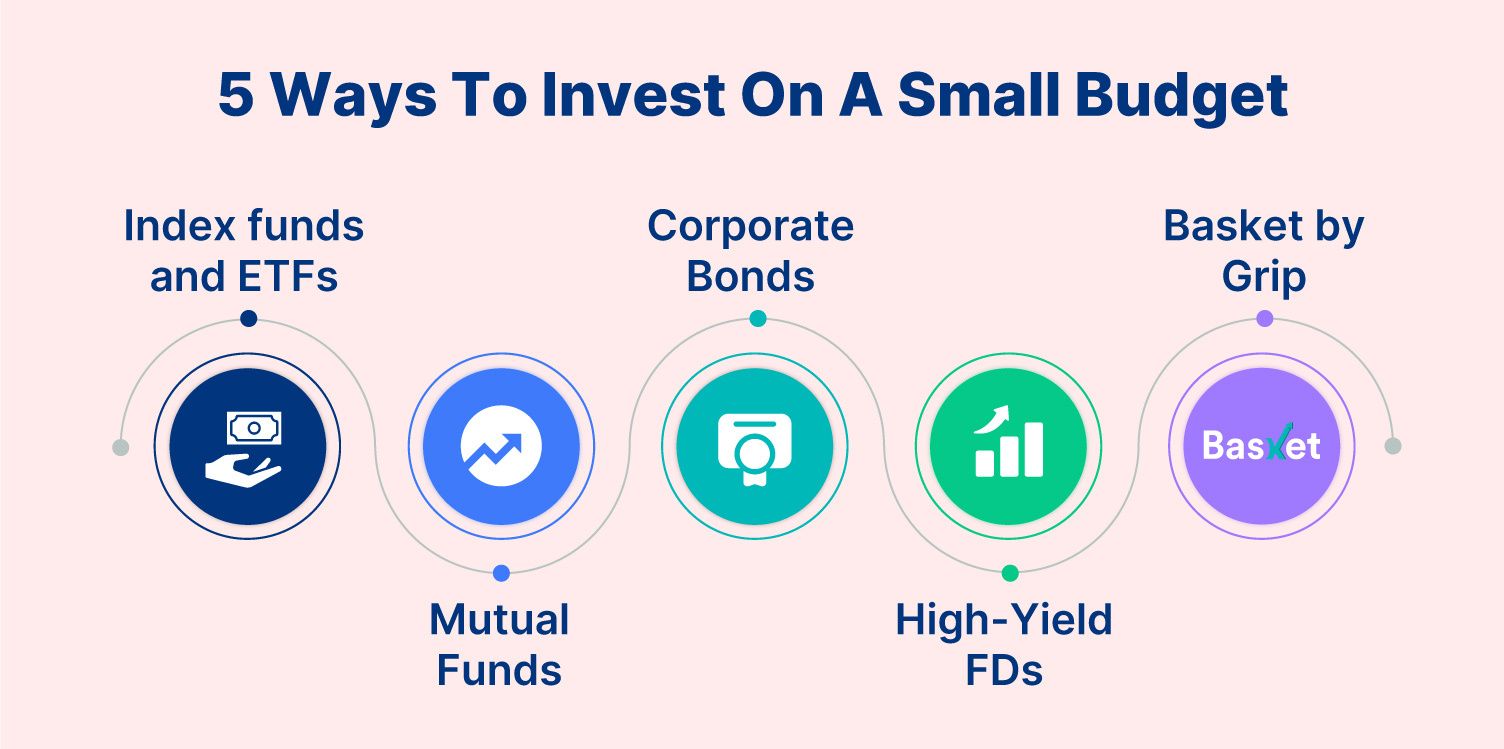
Starting with limited money should never stop you from building wealth. In fact, many successful investors began with small amounts and gradually grew their capital through smart decisions, patience, and consistent investing habits. Learning how to invest small money and grow it into big profits is about understanding simple strategies, managing risk, and staying disciplined over time. With the right mindset and approach, even small investments can turn into meaningful long-term financial growth.
Understanding the Basics of Small Investment Growth
Why Small Investments Matter in Wealth Building
Small investments are often the foundation of long-term financial success. When you invest small amounts regularly, you build a habit of saving and investing that compounds over time. This approach reduces pressure and allows beginners to enter the financial world without fear of losing large sums. Over time, consistent small investments can create significant wealth through compounding growth and disciplined financial behavior.
The Role of Compounding in Profit Growth
Compounding is one of the most powerful principles in investing. It means earning returns not only on your initial investment but also on the profits generated over time. This creates a snowball effect where your money grows faster as time passes. Understanding compounding helps investors stay patient and focused on long-term gains instead of short-term profits.
Importance of Financial Discipline and Patience
Financial discipline is essential when starting with small money. It involves regularly investing, avoiding emotional decisions, and staying committed to long-term goals. Patience plays a major role because investments need time to grow. Many beginners fail because they expect quick results, but successful investors focus on steady and consistent progress.
Smart Strategies for Investing Small Money
Choosing Low-Risk Investment Options
When starting with limited capital, low-risk investments provide a stable foundation. These options help protect your money while still offering steady growth. Low-risk investing allows beginners to learn market behavior without facing major financial losses. It builds confidence and helps create a strong investment mindset for future opportunities.
Diversifying to Reduce Financial Risk
Diversification means spreading your money across different types of investments. This strategy reduces risk because not all assets perform the same way at the same time. By diversifying, you protect your investment from major losses and increase the chances of consistent returns. It is a key principle for anyone learning how to invest small money effectively.
Reinvesting Profits for Faster Growth
Reinvesting your earnings is one of the fastest ways to grow wealth. Instead of withdrawing profits, putting them back into investments increases your capital base. Over time, this strategy accelerates growth and strengthens compounding effects. Reinvestment helps turn small gains into larger financial results without requiring additional money.
Building a Long-Term Investment Mindset
Setting Clear Financial Goals
Clear financial goals give direction to your investment journey. Whether you want to build savings, create passive income, or achieve financial independence, having defined goals helps you stay focused. Without goals, it becomes easy to lose motivation or make random investment decisions. Strong goals lead to better planning and smarter financial choices.
Avoiding Emotional Investment Decisions
Emotions can negatively affect investment decisions. Fear and greed often lead to poor timing, such as selling too early or investing without proper analysis. A disciplined investor relies on logic and strategy rather than emotions. Staying calm during market changes is essential for long-term success.
Staying Consistent with Investments
Consistency is more important than the amount you invest. Even small, regular contributions can grow significantly over time. Building consistency ensures that your investment portfolio grows steadily regardless of market conditions. This habit is key to turning small money into big profits.
Practical Approaches to Grow Small Investments
Focusing on Long-Term Growth Opportunities
Long-term investments generally provide more stable and higher returns compared to short-term trading. By focusing on long-term opportunities, investors reduce risk and benefit from market growth over time. Patience allows investments to mature and deliver stronger financial outcomes.
Managing Risk with Smart Planning
Risk management is essential when investing small money. It involves understanding how much risk you can handle and planning accordingly. Smart planning helps protect your capital while still allowing growth. A well-managed portfolio reduces the chances of major financial setbacks.
Tracking and Adjusting Your Investments
Monitoring your investments regularly helps you understand performance and make necessary adjustments. Tracking allows you to identify what is working and what needs improvement. Making informed changes ensures that your investment strategy stays aligned with your financial goals.
FAQs
1. Can I really start investing with small money?
Yes, many investment options allow you to start with small amounts and grow gradually over time.
2. What is the safest way to invest small money?
Low-risk and diversified investments are generally safer for beginners starting with limited funds.
3. How long does it take to grow small investments?
It depends on consistency and strategy, but long-term investing usually gives better results over time.
4. Is compounding important for small investments?
Yes, compounding plays a major role in turning small investments into large profits over time.
5. Do I need financial knowledge to start investing?
Basic understanding is enough to begin, and you can learn advanced concepts gradually.
Conclusion
Investing small money and growing it into big profits is completely possible with the right mindset, discipline, and strategy. By focusing on long-term growth, using compounding effectively, and staying consistent, anyone can build strong financial progress over time. The key is to start early, stay patient, and make informed decisions that support steady wealth creation.
