


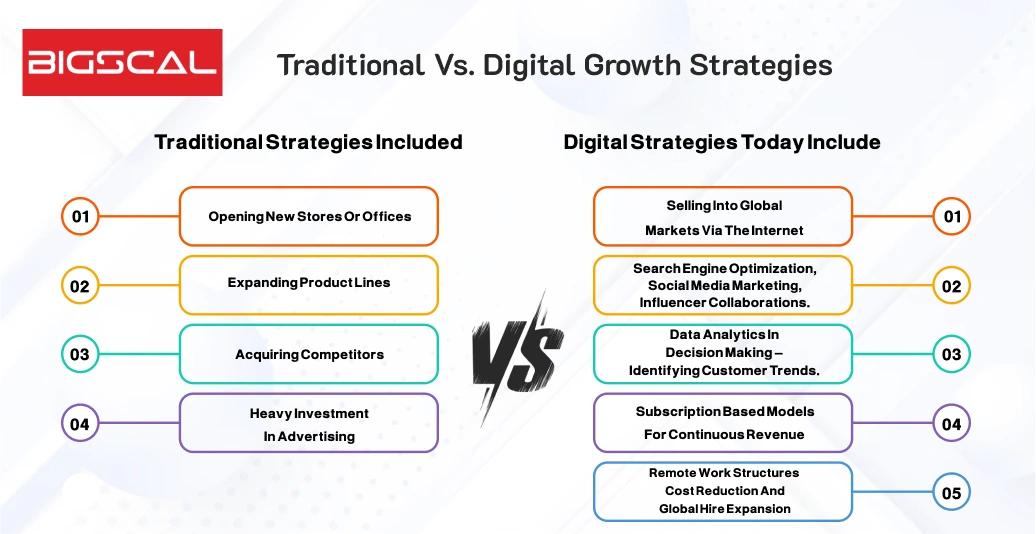
The digital economy is evolving faster than ever, driven by artificial intelligence, automation, data intelligence, and new digital business models. Companies and creators are no longer relying on traditional methods of growth; instead, they are adopting next-level growth strategies that focus on speed, personalization, and scalability. These changes are reshaping how businesses attract customers, generate revenue, and build long-term digital success in a highly competitive online world.
AI-Powered Automation and Intelligent Systems
AI-Driven Business Process Optimization
Artificial intelligence is transforming how businesses operate by improving efficiency and reducing manual effort. Companies are using AI-powered systems to automate repetitive tasks, manage workflows, and streamline decision-making. This allows teams to focus more on strategy and innovation instead of routine operations. As a result, productivity increases while operational costs decrease, making AI a core part of modern digital growth strategies.
Smart Content Generation and Marketing Automation
Content creation and marketing are becoming faster and more scalable through AI-based tools. Businesses now rely on automated systems to generate content ideas, schedule campaigns, and optimize performance across platforms. These intelligent systems help brands maintain consistency while targeting the right audience with precision. This shift is changing digital marketing by making it more data-backed and less time-intensive.
Predictive Analytics for Future Growth
Predictive analytics uses data patterns to forecast future trends and user behavior. Companies use this technology to understand customer needs before they fully emerge, allowing them to stay ahead of competitors. By analyzing past interactions and current data, businesses can make smarter decisions that improve conversion rates and long-term growth outcomes in the digital economy.
Data-Driven Personalization and Customer Experience
Hyper-Personalized User Engagement
Modern digital platforms focus heavily on personalization to improve user engagement. Businesses now create tailored experiences based on user behavior, preferences, and interactions. This approach helps brands connect more deeply with their audience and increases the likelihood of customer retention. Personalized content and recommendations are becoming a key driver of online success.
Real-Time Data Utilization for Decision Making
Real-time data is changing how companies respond to market changes. Instead of relying on outdated reports, businesses now analyze live data to make instant decisions. This allows faster adaptation to customer demands and market trends. The ability to act quickly gives companies a strong advantage in the competitive digital economy.
Customer Journey Optimization Across Platforms
Businesses are focusing on improving every stage of the customer journey, from awareness to conversion. By tracking user behavior across multiple platforms, companies can identify gaps and improve the overall experience. This results in smoother interactions, higher satisfaction, and stronger brand loyalty in the long term.
Creator Economy and Digital Monetization Models
Rise of Independent Digital Creators
The creator economy is reshaping how individuals earn income online. Independent creators are now building personal brands and generating revenue through digital platforms. This shift allows individuals to monetize skills, content, and influence without relying on traditional employment structures. It is becoming one of the fastest-growing parts of the digital economy.
Diversified Online Revenue Streams
Digital monetization is no longer limited to a single income source. Businesses and creators now build multiple revenue streams such as subscriptions, digital products, affiliate partnerships, and ad-based earnings. This diversification increases financial stability and reduces dependency on one platform or strategy. It also supports long-term sustainability in a rapidly changing digital environment.
Platform-Based Growth and Audience Building
Online platforms play a major role in helping creators and businesses grow their audience. By leveraging social media, content platforms, and digital communities, users can reach global audiences quickly. Strong platform presence helps build authority, increase engagement, and support consistent growth in the digital economy.
FAQs
What are next-level growth strategies in the digital economy?
They are advanced methods like AI automation, data-driven marketing, and creator economy models that help businesses scale faster.
Why is AI important for digital growth?
AI improves efficiency, reduces manual work, and helps businesses make smarter decisions using data insights.
How does personalization improve customer experience?
Personalization creates tailored experiences for users, increasing engagement and customer loyalty.
What is the creator economy?
It is a digital system where individuals earn income by creating content, building audiences, and monetizing online platforms.
Can small businesses use these growth strategies?
Yes, even small businesses can adopt digital tools, automation, and data strategies to grow effectively.
Conclusion
Next-level growth strategies are fundamentally transforming the digital economy by combining AI, data intelligence, and modern monetization models. Businesses and creators who adapt to these changes are achieving faster growth, better efficiency, and stronger customer relationships. As technology continues to evolve, success in the digital economy will depend on how well individuals and organizations adopt these innovative strategies and integrate them into their long-term growth plans.
