


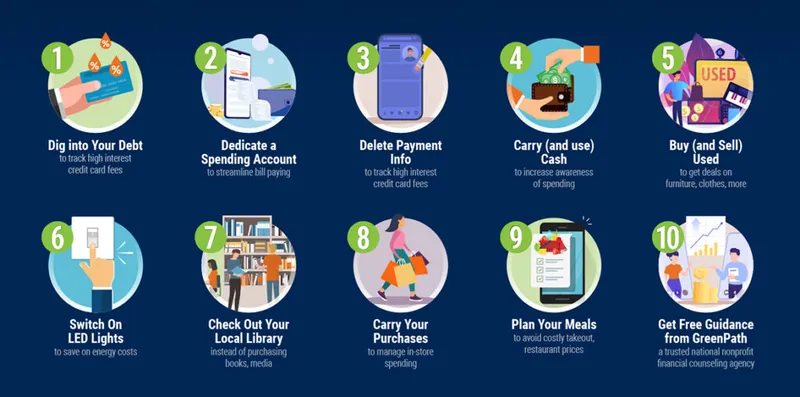
Managing money effectively is one of the most important life skills in today’s fast-moving world. With rising expenses and endless spending temptations, many people struggle to save or grow their income. Smart finance hacks are simple, practical strategies that help you control your money, reduce unnecessary spending, and build long-term financial stability without needing advanced financial knowledge.
Smart Budgeting Strategies for Better Money Control
Track Every Expense You Make
Tracking your daily expenses is the foundation of smart financial planning. When you clearly see where your money goes, it becomes easier to identify unnecessary spending patterns. Many people underestimate small purchases, but they add up quickly over time. By writing down or digitally tracking every expense, you gain full awareness of your financial habits. This simple habit helps improve money control and supports better financial decisions in the long run.
Follow a Simple Monthly Budget Plan
A monthly budget plan allows you to divide your income into clear categories like needs, savings, and lifestyle expenses. This structure ensures that you never spend more than you earn. A simple approach works best because it avoids confusion and keeps your financial goals realistic. When you follow a budget consistently, you develop discipline and reduce the risk of overspending. This is one of the most effective personal finance tips for long-term stability.
Use the 50/30/20 Rule Effectively
The 50/30/20 rule is a practical budgeting method that helps balance your financial life. It divides your income into 50% needs, 30% wants, and 20% savings or debt repayment. This method simplifies money management and ensures that saving becomes a natural habit instead of a forced effort. It also helps maintain a healthy balance between lifestyle and financial responsibility, making it a powerful smart finance hack for beginners.
Smart Saving Techniques That Build Long-Term Wealth
Automate Your Savings Process
Automating savings is one of the easiest ways to build wealth without constant effort. By setting up automatic transfers to your savings account, you ensure that a portion of your income is saved before you even get a chance to spend it. This removes emotional decision-making and builds consistency in saving habits. Over time, this small action leads to significant financial growth and better money security.
Separate Savings From Spending Accounts
Keeping your savings and spending money in separate accounts is a simple but powerful financial strategy. When everything is mixed in one account, it becomes harder to control spending. A separate savings account creates a mental barrier that discourages unnecessary withdrawals. This approach helps protect your savings and encourages disciplined financial behavior, especially for beginners trying to improve money management skills.
Set Clear Financial Goals
Setting clear financial goals gives direction to your saving habits. Whether it is building an emergency fund, planning a major purchase, or achieving financial independence, goals keep you motivated. Without goals, saving often feels random and inconsistent. Clear targets help you measure progress and stay focused on long-term financial success. This makes goal setting an essential part of smart personal finance planning.
Smart Spending Habits for Everyday Financial Success
Avoid Emotional Buying Decisions
Emotional buying is one of the biggest reasons people struggle financially. Making purchases based on mood or impulse often leads to regret and wasted money. By learning to pause before buying, you can evaluate whether a purchase is truly necessary. This habit reduces unnecessary expenses and improves overall financial discipline. Smart spending begins with awareness and self-control.
Compare Prices Before Every Purchase
Comparing prices before making a purchase is a simple yet effective finance hack. Many people buy the first option they see, which often leads to overspending. Taking a few minutes to check different options can save a significant amount of money over time. This habit is especially useful for online shopping, where prices can vary widely for the same product or service.
Focus on Value, Not Just Price
Choosing the cheapest option is not always the best financial decision. Instead, focusing on value helps you make smarter long-term choices. A slightly expensive product that lasts longer or offers better performance is often more cost-effective than a cheap alternative. This mindset shift improves financial decision-making and supports smarter spending habits in everyday life.
FAQs
1. What are smart finance hacks?
Smart finance hacks are simple money management strategies that help improve saving, budgeting, and spending habits in daily life.
2. How can I start managing my money better?
Start by tracking your expenses, creating a budget, and setting clear financial goals for better control.
3. What is the best way to save money easily?
Automating your savings is one of the easiest and most effective ways to build consistent savings.
4. Why is budgeting important?
Budgeting helps you control spending, avoid debt, and achieve long-term financial stability.
5. Can small financial habits really make a difference?
Yes, small consistent habits can lead to significant financial improvement over time.
Conclusion
Smart finance hacks are not complicated strategies reserved for experts; they are simple habits that anyone can apply in real life. By budgeting wisely, saving consistently, and spending more consciously, you can take full control of your financial future. The key is to stay consistent and make small improvements every day, because long-term financial success is built through simple but powerful daily actions.
