


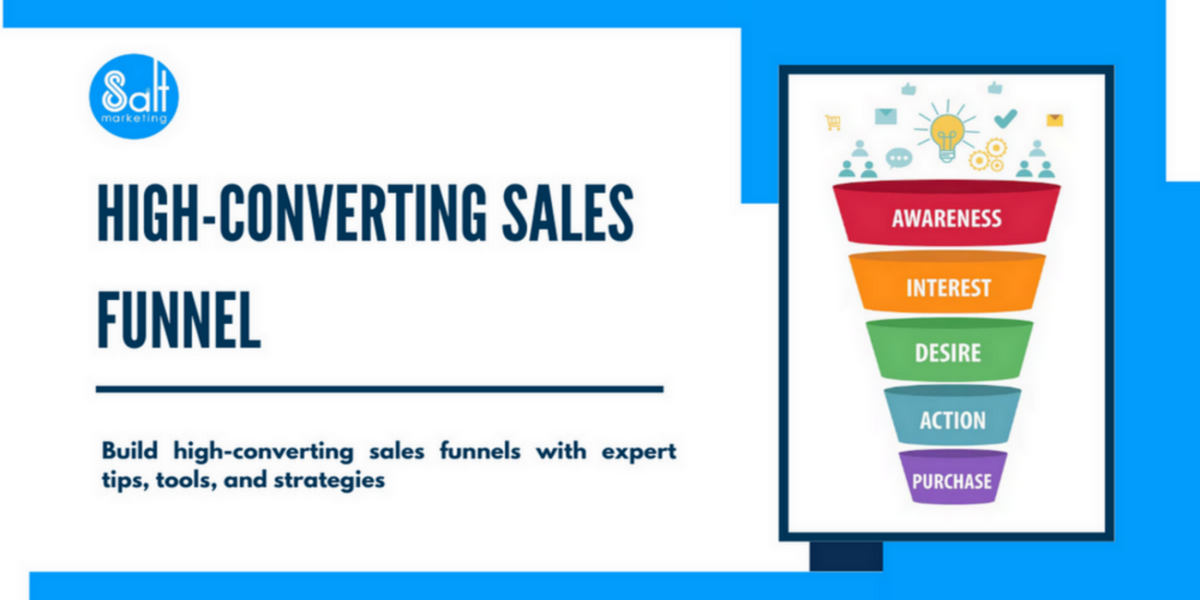
A powerful marketing funnel is the backbone of every successful online business, yet most beginners struggle to understand how it actually works. When done right, a well-structured funnel can turn cold visitors into loyal customers automatically, increasing conversions without extra effort. In this guide, you will learn secret marketing funnel strategies that convert like crazy using simple, proven, and beginner-friendly methods that focus on real results rather than complicated theory.
Understanding High-Converting Marketing Funnels
Awareness Stage Optimization for Cold Traffic
The awareness stage is where people first discover your brand, so your main goal is to attract attention with clarity and relevance. Instead of pushing sales, you focus on solving small problems and building curiosity through SEO content, social media posts, and value-driven messaging. A high-converting marketing funnel starts by understanding audience intent and creating content that matches what they are already searching for. When users feel understood at this stage, they are more likely to continue moving through your funnel naturally.
Psychological Trigger Mapping in Funnel Design
Every successful funnel is built on psychological triggers that influence user behavior without being manipulative. These triggers include curiosity, trust, urgency, and simplicity. By carefully placing these elements throughout your funnel, you guide users step-by-step toward action. For example, clarity in messaging reduces confusion, while emotional connection builds trust. A strong funnel uses these triggers in a balanced way, ensuring that users feel confident rather than pressured to take the next step.
Traffic Segmentation for Better Conversion Flow
Not all visitors behave the same way, which is why traffic segmentation is a secret weapon in marketing funnel optimization. Segmenting traffic based on interests, behavior, and intent allows you to deliver more personalized content. This increases engagement and reduces drop-off rates. When users see content that matches their specific needs, they are more likely to trust your brand and move deeper into the funnel without hesitation.
Building a Conversion-Focused Funnel System
Landing Page Structure That Drives Action
A high-performing landing page is designed with one goal in mind: conversion. The structure should be clean, distraction-free, and focused on a single action. Clear headlines, simple messaging, and strong value positioning help guide users naturally toward taking action. Instead of overwhelming visitors with information, a conversion-focused landing page simplifies the decision-making process and highlights the core benefit clearly.
Lead Magnet Positioning for Maximum Opt-In Rate
Lead magnets play a crucial role in capturing potential customers inside your marketing funnel. The key is positioning them as immediate solutions to specific problems. When users feel they are getting something valuable in exchange for their email or contact information, they are more likely to opt in. A strong funnel uses lead magnets not just as freebies, but as strategic entry points into deeper engagement.
Email Funnel Automation for Nurturing Leads
Email automation is one of the most powerful tools in a modern marketing funnel strategy. Once a user enters your system, automated emails help build trust, deliver value, and guide them toward purchasing decisions. Instead of manually following up, automation ensures consistent communication that feels personal and relevant. This increases conversion rates while saving time and effort.
Advanced Funnel Optimization Techniques
Retargeting Strategy for Lost Visitors
Most visitors do not convert on their first visit, which is why retargeting is essential in any successful marketing funnel. Retargeting allows you to reconnect with users who showed interest but did not take action. By showing them relevant content or reminders, you increase the chances of bringing them back into your funnel. This strategy works because it focuses on warm audiences who already know your brand.
Conversion Rate Optimization for Funnel Performance
Conversion rate optimization focuses on improving each step of your funnel to increase overall performance. Small changes in headlines, layout, or messaging can significantly impact results. The goal is to identify weak points in your funnel where users drop off and improve them continuously. A well-optimized funnel always evolves based on user behavior and data insights.
Data Tracking for Funnel Improvement
Tracking data is essential for understanding how your funnel performs in real time. Metrics such as click-through rates, bounce rates, and conversion rates help you identify what is working and what needs improvement. Without data tracking, you are simply guessing. A successful funnel relies on consistent analysis and adjustments based on real user behavior, not assumptions.
FAQs
1. What is a marketing funnel?
A marketing funnel is a step-by-step process that guides potential customers from awareness to purchase.
2. Why are marketing funnels important?
They help increase conversions by organizing the customer journey in a structured way.
3. How do funnels improve sales?
Funnels build trust and guide users gradually toward making a buying decision.
4. Do beginners need a marketing funnel?
Yes, even beginners can benefit from funnels to grow online business efficiently.
5. What is the most important part of a funnel?
The value and trust-building stage is the most important for long-term success.
Conclusion
Secret marketing funnel strategies are not about complexity—they are about clarity, structure, and understanding user behavior. When you build a funnel that focuses on trust, segmentation, and optimization, you create a system that consistently converts traffic into customers. By applying these strategies step by step, you can build a high-performing funnel that grows your online business sustainably over time.
